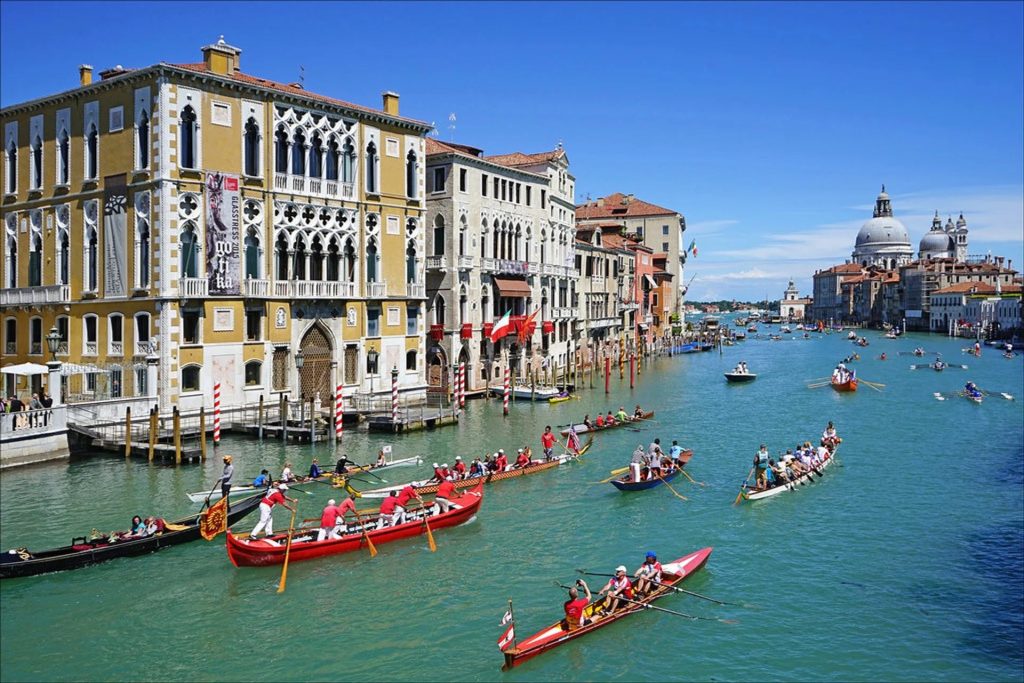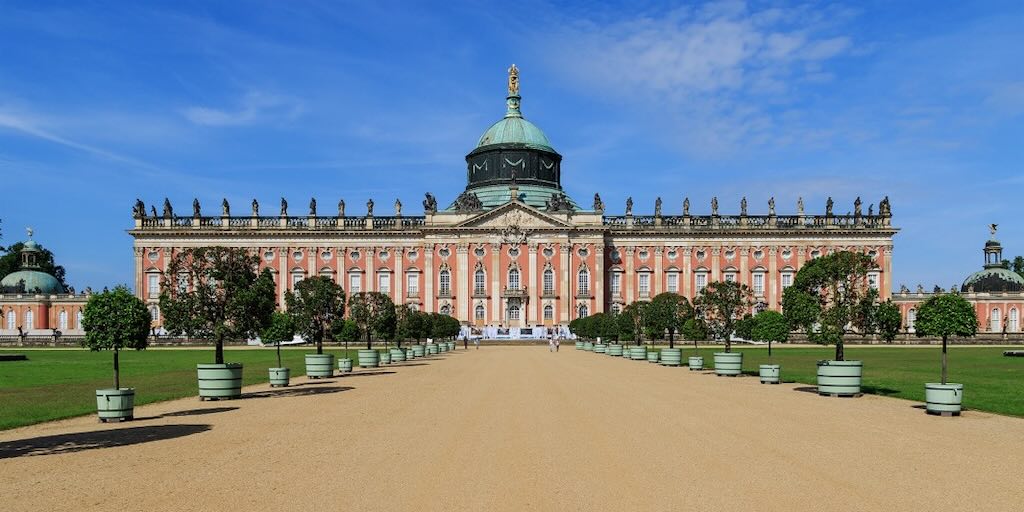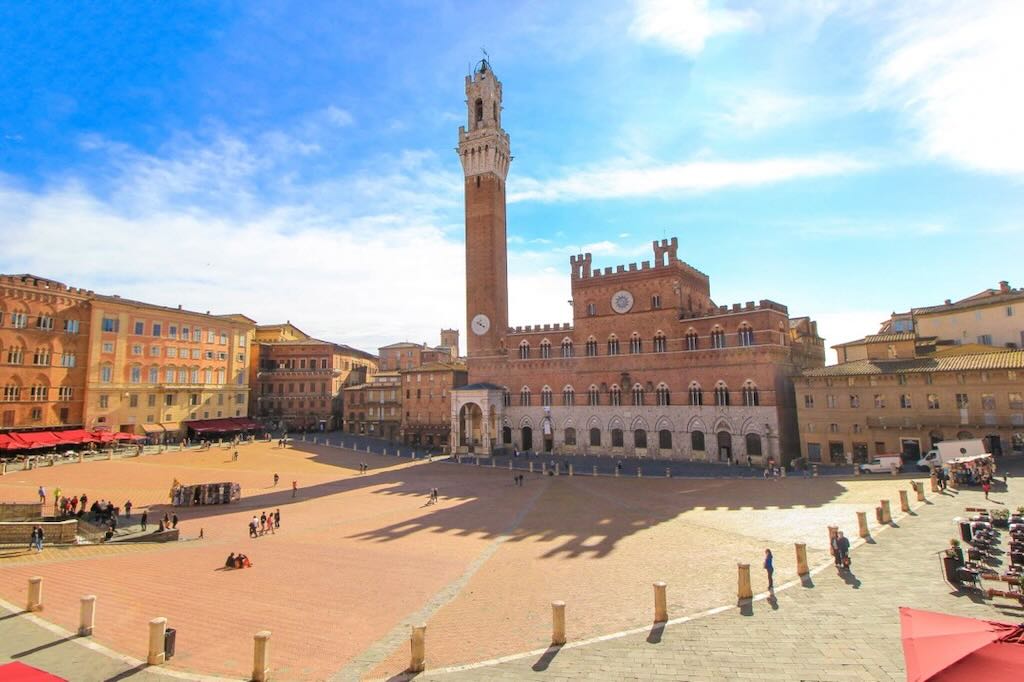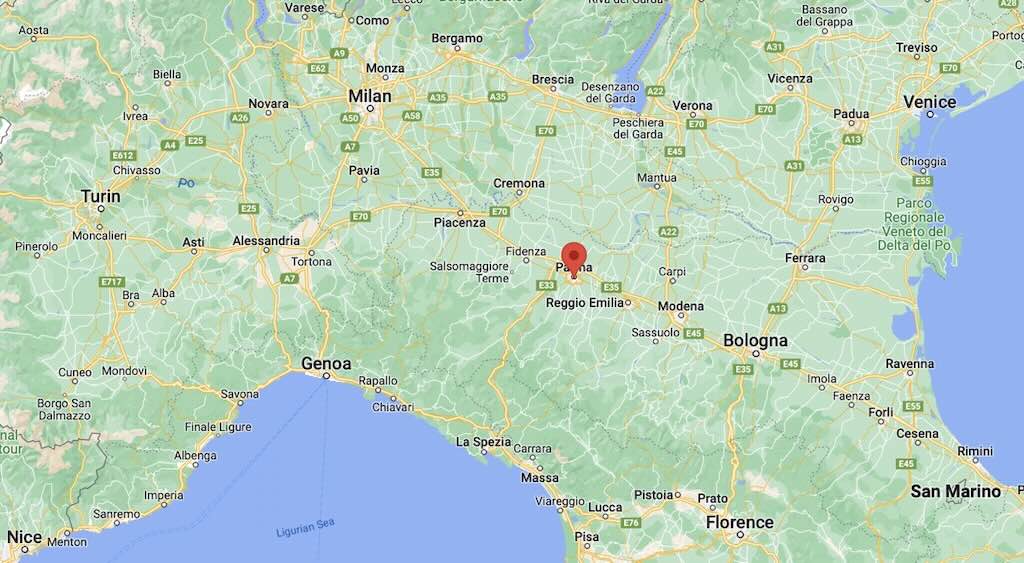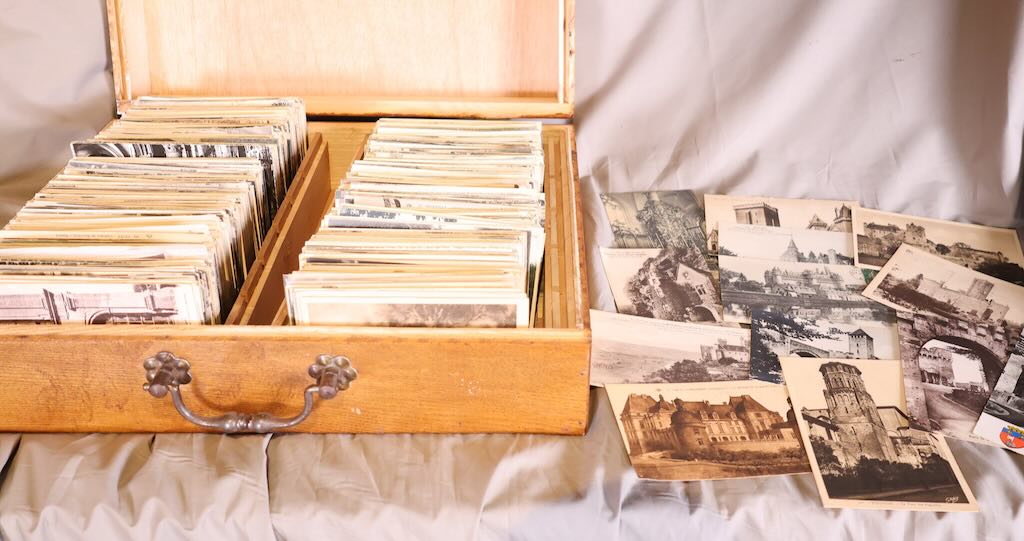
As I was browsing through some auction sites, as you do while waiting for a reply to an email that was being ignored, I spotted a “lot de plus de 1600 cartes postales anciennes représentant des batiments de france et étranger et des vues de villages anciennes“. I made a foolishly low offer, just to see what would happen, and I am now the proud owner of more than 1600 old postcards representing buildings in France and abroad and views of old villages.
I can’t say I’m particularly delighted, but I have always had a soft spot for the postcard. I sent them to my parents when I first went abroad, and my wife religiously would send them to her parents when we travelled. Her mother kept them all, and they are one of my treasured possessions. Beautifully written, and always dated.
This post is about what I think to do with my 1600+ postcards now… but first a bit of history thanks to my friendly AI. It’s true, I know nothing about the history of postcards, so we will learn together.
Was there a "before postcards"?
The postcard is a relatively recent invention. Although people had exchanged illustrated cards and short written messages for centuries, the modern postcard emerged in the 1860s, initially as a cheap, convenient alternative to the sealed letter.
Its development involved three distinct innovations. Firstly, the introduction of an inexpensive postal card, secondly, the addition of illustrations or photographs, and finally, the division of the address side into separate spaces for the address and a written message.
By the beginning of the 20th century, postcards had become one of the world’s most popular forms of communication. For example, in 1900, the German Imperial Post handled approximately 440 million picture postcards, while the British Post Office recorded 419 million postcards delivered in 1900–1901, rising to more than 800 million in 1905–1906. During the reign of Edward VII (1901–1910), nearly six billion postcards were posted in Britain alone.
1840–1869: The origins
The introduction of the British Penny Post in 1840, associated with Rowland Hill, established the principle of affordable postal communication using prepaid postage.
In Britain, privately produced illustrated cards were already being sent through the post during the 1840s. A particularly famous example is the hand-painted card sent by Theodore Hook in 1840, often described as the earliest surviving picture postcard.
However, these were not yet postcards in the modern postal sense. They were individual creations, usually requiring ordinary letter postage.
The decisive conceptual development came in 1865, when the German postal official Heinrich von Stephan proposed an open postal card as a simpler and cheaper means of correspondence. His proposal was not immediately adopted.
1869: Austria-Hungary introduces the postal card
The card was made from relatively stiff paper, carried an imprinted postage stamp, and could be mailed for 2-kreuzer, compared with the usual 5-kreuzer domestic letter rate.
It was inexpensive, quick to write, and required no envelope. Its contents were visible to anyone handling it, which initially raised objections about privacy and etiquette. The innovation proved successful, and other countries quickly followed.
The formation of the General Postal Union, renamed the Universal Postal Union in 1878, was especially important. It gradually made international postcard exchange simpler and more predictable.
1890s: The invention of the picture postcard
The postcard was becoming something more than a means of communication. It was simultaneously a souvenir, an advertisement, an inexpensive artwork and a record of a particular place.
The development of tourism and railway travel greatly increased demand. Visitors could purchase a card depicting a monument, hotel or street and send it home, providing evidence of where they had been.
1902–1907: The divided back
One of the most important changes in postcard history concerned the reverse side.
Originally, the entire address side was reserved for postal information. On illustrated cards, the sender had to write the message on the picture side, sometimes in a blank margin.
This seemingly minor change allowed the entire front to be devoted to the picture. It also provides a useful clue when dating old postcards, although national regulations and existing stocks mean that the dates cannot be applied mechanically.
1900–1914: The golden age of postcards
The years immediately preceding the First World War are generally considered the golden age of the picture postcard. Postcards became extraordinarily popular. Billions circulated internationally, and many people collected them in dedicated albums.
The subjects extended far beyond the familiar tourist view. Publishers produced cards illustrating factories, railway stations, street markets, political cartoons, military units, accidents, floods, festivals, exhibitions, famous personalities and even individual shops.
The postcard became a form of visual journalism. An event could be photographed, reproduced and sold to the public, sometimes within days.
There was also an important distinction between two kinds of photographic postcard. There was the printed photographic postcards with Images reproduced mechanically, allowing large numbers of copies to be sold. And the real photographic postcards (RPPCs), with an actual photographic prints made on specially prepared postcard paper, sometimes in very small quantities.
The introduction of Kodak’s Folding Pocket Model 3A camera in 1903 helped popularise the second category. It could produce postcard-sized negatives, allowing photographers to make photographic postcards directly.
For historians, these real photographic cards can be especially valuable because they sometimes record places and people that were never documented by commercial publishers.
1914–2000: War, mass tourism and modern postcards
The First World War disrupted the international postcard industry, particularly German exports. Yet postcards remained important for military correspondence, patriotic imagery and communication between soldiers and families.
Between the wars, picture postcards continued to document the expansion of motor tourism, seaside resorts, hotels and commercial aviation.
In the United States, the 1930s saw the popularity of so-called linen postcards, printed on paper with a textured appearance and often using striking, saturated colours.
From the late 1930s, modern colour photographic reproduction increasingly transformed the industry. After the Second World War, glossy colour postcards became the standard souvenir of mass tourism.
By the late 20th century, postcards were no longer an essential everyday communication medium. The telephone had long since displaced many of their practical functions, and subsequently email, mobile phones and digital photography reduced their importance further.
Nevertheless, postcards continued to be sold as souvenirs and collected as historical objects.
Why old postcards are historically interesting
The postcard is an unusual historical document because it can preserve several different kinds of evidence at once.
The picture records what the publisher or photographer wanted to show. The handwritten message provides evidence of personal communication. The postmark establishes a date and sometimes a route. The publisher’s name, numbering system and printing technique can help identify the circumstances of production.
However, the date of a postmark is not necessarily the date of the photograph. So an historical interpretation must combine the image with postal markings, publishing information and independent documentary sources.
Further reading
The following sources provide a useful foundation, with particular emphasis on postal regulations, production techniques and the postcard as historical evidence.
-
The Postal Museum — Postcards. British postal history, including early official cards and their subsequent development.
-
Smithsonian Institution Archives — Postcard History. Detailed chronology of American postcard formats and printing periods.
-
University of Alberta — The Postcard: A Brief History. Particularly useful for the development of photographic postcards, printing technologies and the golden age.
-
United States Postal Service — Stamped Cards and Postcards. Official account of American postal-card regulations.
-
Postal history study — Postcards, Inland and Foreign, 1869–1945. More specialised treatment of the international postal framework.